

- Your cart is empty Browse Shop
Performance · Zoroastrian mythology
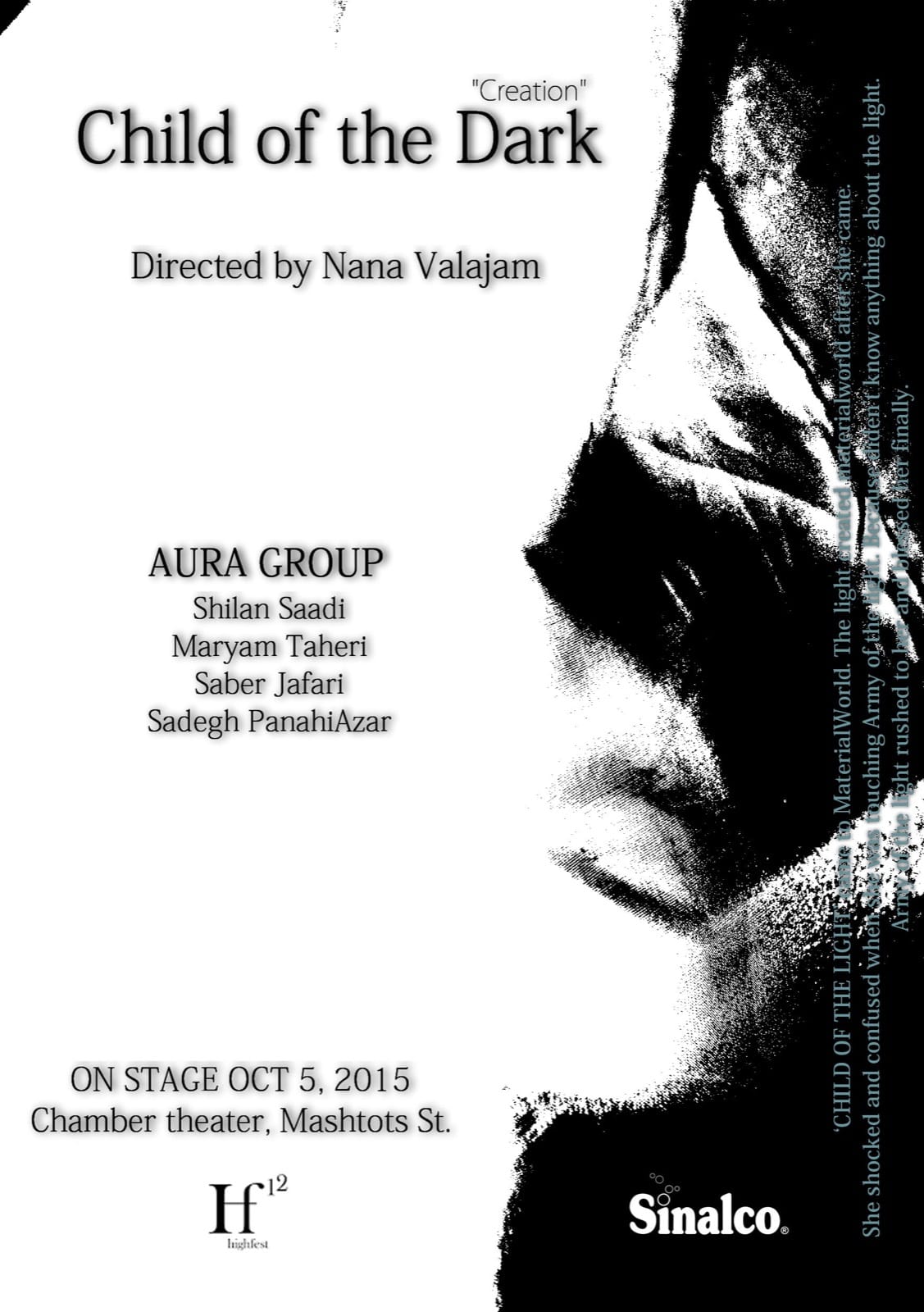
Child of the Dark
In Zoroastrian tradition, “Jahi” or “Jahika” is a demonic female figure associated with corruption, decay, and moral disorder.
She represents the distortion of purity, the violation of truth, and the forces that pull humanity away from Asha (cosmic order). Jahi is often described as the one who tempts and spreads spiritual pollution, making her a symbolic opposite to the life-giving, protective female divinities in the Avesta.
Zoroastrians believe Angra Mainyu (Ahriman) is “dark” not because of physical color, but because darkness symbolizes the absence of truth, goodness, and creation. In this cosmology, darkness is the state where nothing grows, nothing evolves, and nothing is illuminated, and Ahriman embodies that void.
“Darkness” in Zoroastrian cosmology represents the metaphoric condition of ignorance, destruction, and anti-creation, standing in direct contrast to Ahura Mazda’s radiant light, which symbolizes wisdom, clarity, and the flourishing of life. Jahi is described as the daughter of Ahriman.
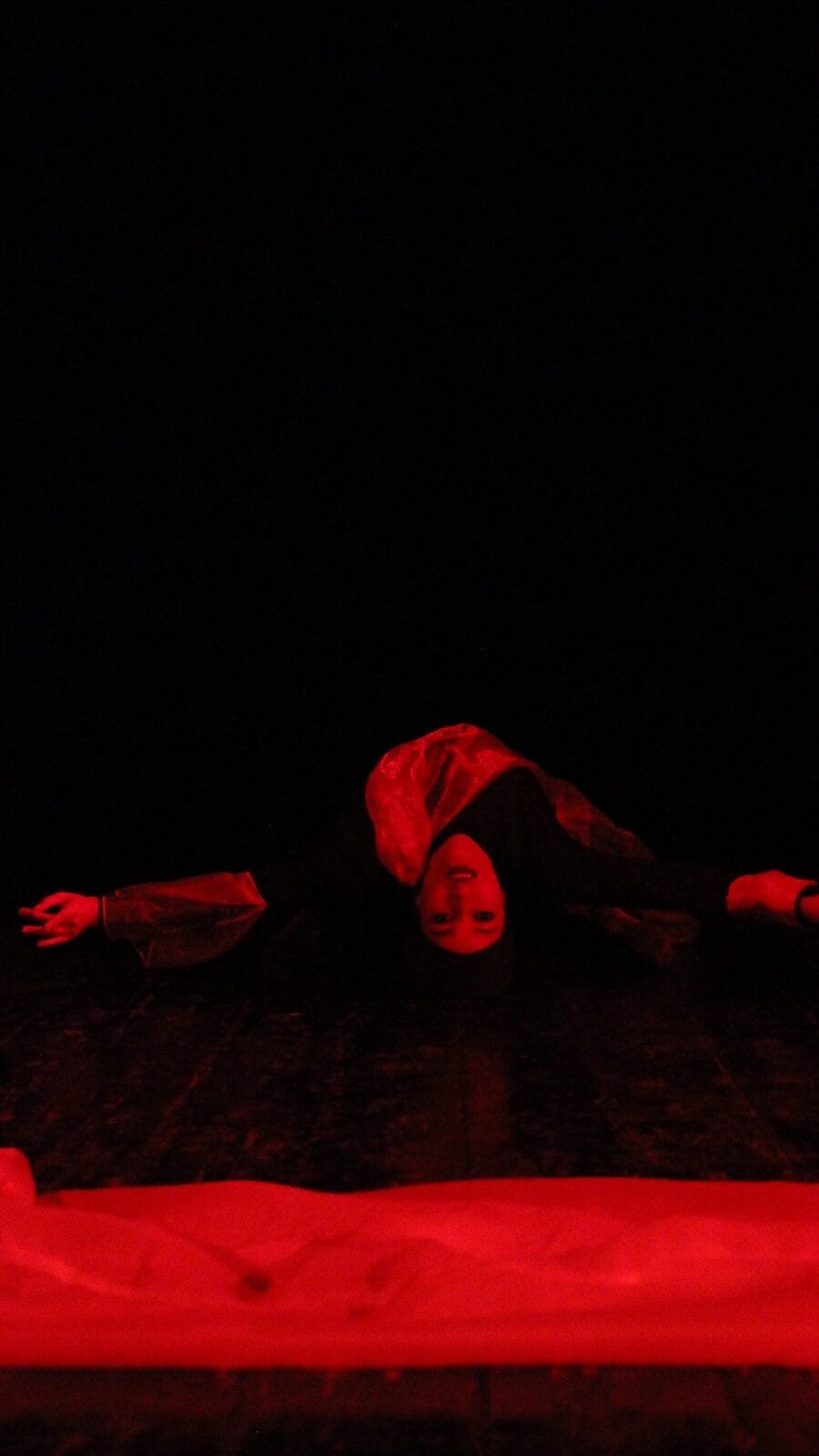
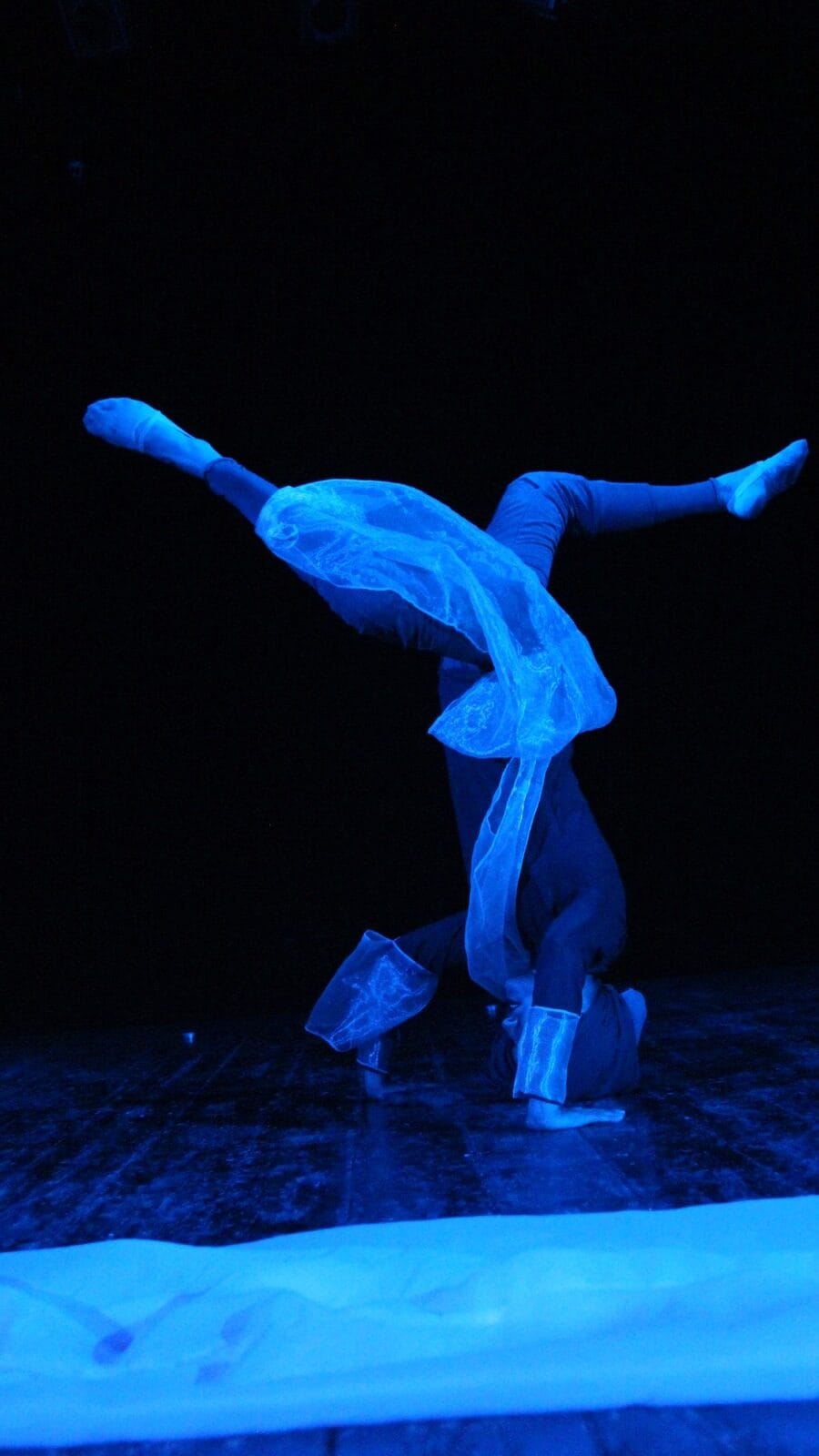
This performance explores why Jahi is not content with her demonic fate. She has no choice in her role: born from a destructive father, she is compelled to move toward humanity, longing for closeness and recognition, yet humans reject her. The story reveals the untold side of this ancient myth: the emotional struggle of a figure trapped in darkness, yearning for a life she can never fully enter.